The chart of accounts is the backbone of your books. If it is too short, the reports say nothing. If it is too long, everyone makes a new account for every expense and the books get crowded.
Simple rules
- In each group (assets, liabilities, equity, income, expenses) create only the accounts you actually make decisions from.
- Split expenses just enough to see where the money goes: rent, power and water, wages, transport, marketing.
- Name accounts clearly. A "miscellaneous expenses" account is where mistakes hide.
- Keep each bank account and each cash box separate.
The system starts with a chart
You do not have to start from zero. NextBook comes with a ready chart of accounts and you can add accounts. It is best to work with it first and add an account only when a report cannot answer your question without it.
What a chart of accounts really is
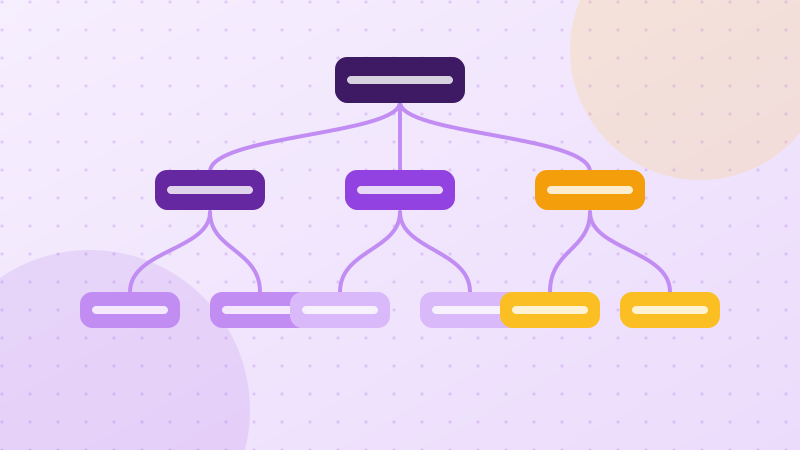
The chart of accounts is the list of every account your books can use, arranged in groups. Think of it as the filing system of the business. Every transaction goes into one or more of these accounts, and every report is built by adding accounts together. If the list is clear, reports are clear. If the list is messy, no report can rescue it.
Most small businesses either have no chart at all, because they write everything in one notebook, or they copy a huge chart from a large company and drown in accounts they never use. The right chart is short, matches the way you actually do business, and can grow when you need it to.
Number your accounts in blocks
A simple numbering habit makes the list easy to read and easy to extend. Give each of the five groups its own block of numbers, and leave gaps so you can add accounts later without renumbering.
- 1000–1999 Assets: cash, bank accounts, customers, stock, equipment.
- 2000–2999 Liabilities: suppliers, loans, salaries payable, taxes payable.
- 3000–3999 Equity: owner’s capital, retained profit, drawings.
- 4000–4999 Income: sales, other income.
- 5000–5999 Expenses: cost of goods sold, rent, wages, transport, phone and so on.
When you see account 1120, you know at once that it is an asset. When you see 5230, you know it is an expense. In a report that lists dozens of lines, that small habit saves a lot of reading.
A starter chart for a trader
Here is a short example for a trading shop. It is a starting point, not a rule. Adjust the names to the language you use every day.
- 1010 Cash in hand
- 1020 Bank account (AFN)
- 1030 Bank account (USD)
- 1100 Customers (receivables)
- 1200 Stock
- 1500 Vehicles
- 1510 Accumulated depreciation, vehicles
- 2010 Suppliers (payables)
- 2100 Salaries payable
- 2200 Loan from the bank
- 3010 Owner’s capital
- 3020 Owner’s drawings
- 4010 Sales
- 4900 Other income
- 5010 Cost of goods sold
- 5100 Rent
- 5110 Salaries
- 5120 Transport and fuel
- 5130 Electricity, internet and phone
- 5900 Bank charges
Twenty accounts are enough to run a small shop properly. Most businesses never need more than fifty.
How detailed should an account be?
The test is simple: will you ever want to see this number on its own? If you want to know how much you spend each month on fuel, give fuel its own expense account. If you never look at the difference between the electricity bill and the internet bill, one combined account is fine. Too few accounts hide information. Too many make every entry a puzzle and invite mistakes, because the person recording has to choose between five near-identical names.
Customers and suppliers are a special case. You do not need an account in the chart for each customer. One control account for all customers, with a sub-ledger that tracks each customer’s own balance, keeps the chart short and still tells you who owes what.
Naming rules that save you later
- Use names that describe what the money is, not who handled it. “Transport” is better than “Ahmad’s fuel”.
- Do not create an account called “Miscellaneous” and use it for everything. It becomes the biggest account and tells you nothing.
- Keep one name for one thing. If rent appears as “Rent”, “Shop rent” and “Kiraya”, the report will show three lines for one cost.
- Use the same language and spelling across the team so that people search and find the same account.
Changing the chart over time
A chart is not frozen. As the business grows you will add accounts: a second warehouse, a new product line, a second currency. Add them in the proper block and give them the next free number. What you should avoid is deleting or renaming accounts that already have transactions, because that changes the meaning of past reports. If an account is no longer needed, stop using it and mark it inactive rather than removing it.
Review the chart once a year. Look for accounts with no movement, accounts that are too large to understand, and expenses you keep putting in the wrong place. A short review each January keeps the chart honest.
A small example: why structure matters
A shop records 25,000 AFN “transport” in the month. With one account, that is all you know. With separate accounts, you see that 18,000 AFN was fuel for the delivery truck, 5,000 AFN was freight on imported goods and 2,000 AFN was taxi fare for the owner. The freight is part of the cost of the goods, the fuel is a running cost and the taxi fare may be a personal cost. Three different treatments came from one clearer list. All numbers here are made up.
Where this meets NextBook
NextBook starts with a ready chart of accounts, built for a trading business and already sorted into the five types. You can rename accounts, add new ones and set which account each product category, bank and payment method uses. After that, invoices, bills and payments post to the right places on their own.
A good chart of accounts is not about being clever. It is about being able to look at a report six months from now and understand it without asking the person who made it.